
Guide
Short, practical articles on private label cosmetics, perfume and natural raw materials.
 I
What is private label cosmetics manufacturing, and how does it work?
What private label (contract) cosmetics manufacturing means, its advantages for brands, and the step-by-step plan between manufacturer and brand owner.
IIChoosing a contract manufacturer: what to check
Manufacturer choice, formula, quality control, packaging, contract and budget: a checklist for successful private label production, plus product groups that sell well online.
 III
What is niche perfume? Key features
Originality, ingredient quality, limited production, story and packaging: what sets niche perfume apart from mass-market fragrance.
 IV
Inspired perfumes (version perfumes) explained
Affordable perfumes inspired by popular scent profiles and sold under your own brand: what they are, how they differ and what to watch out for.
 V
What is pheromone perfume?
What pheromone perfumes are, which pheromone-like ingredients the perfume industry uses, and what you should know about these products.
 VI
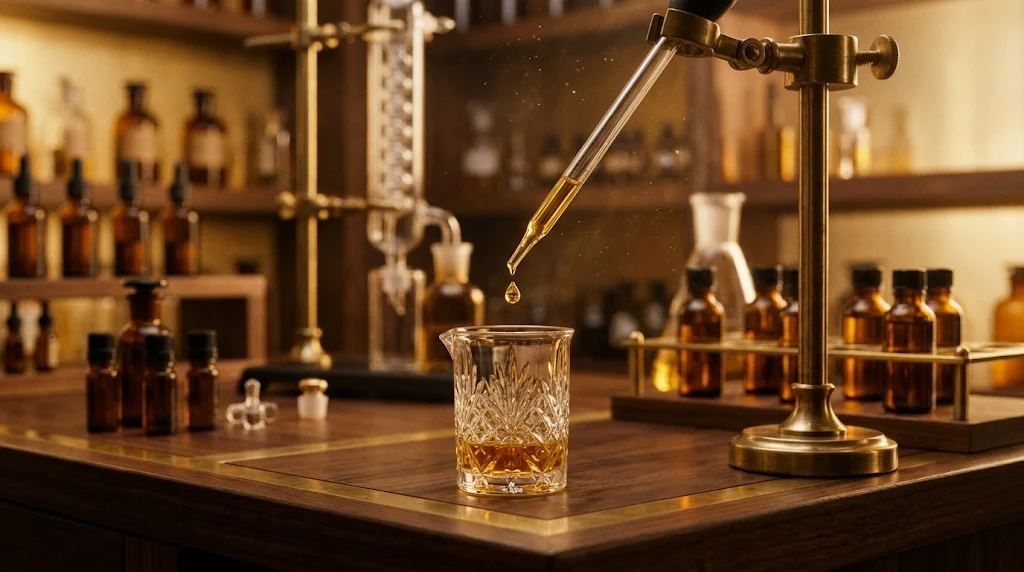
Natural raw materials in fragrance oils
Lavender, sandalwood, jasmine, bergamot, rose, vanilla, patchouli and spices: natural raw materials used in fragrance oils and their scent character.
 VII
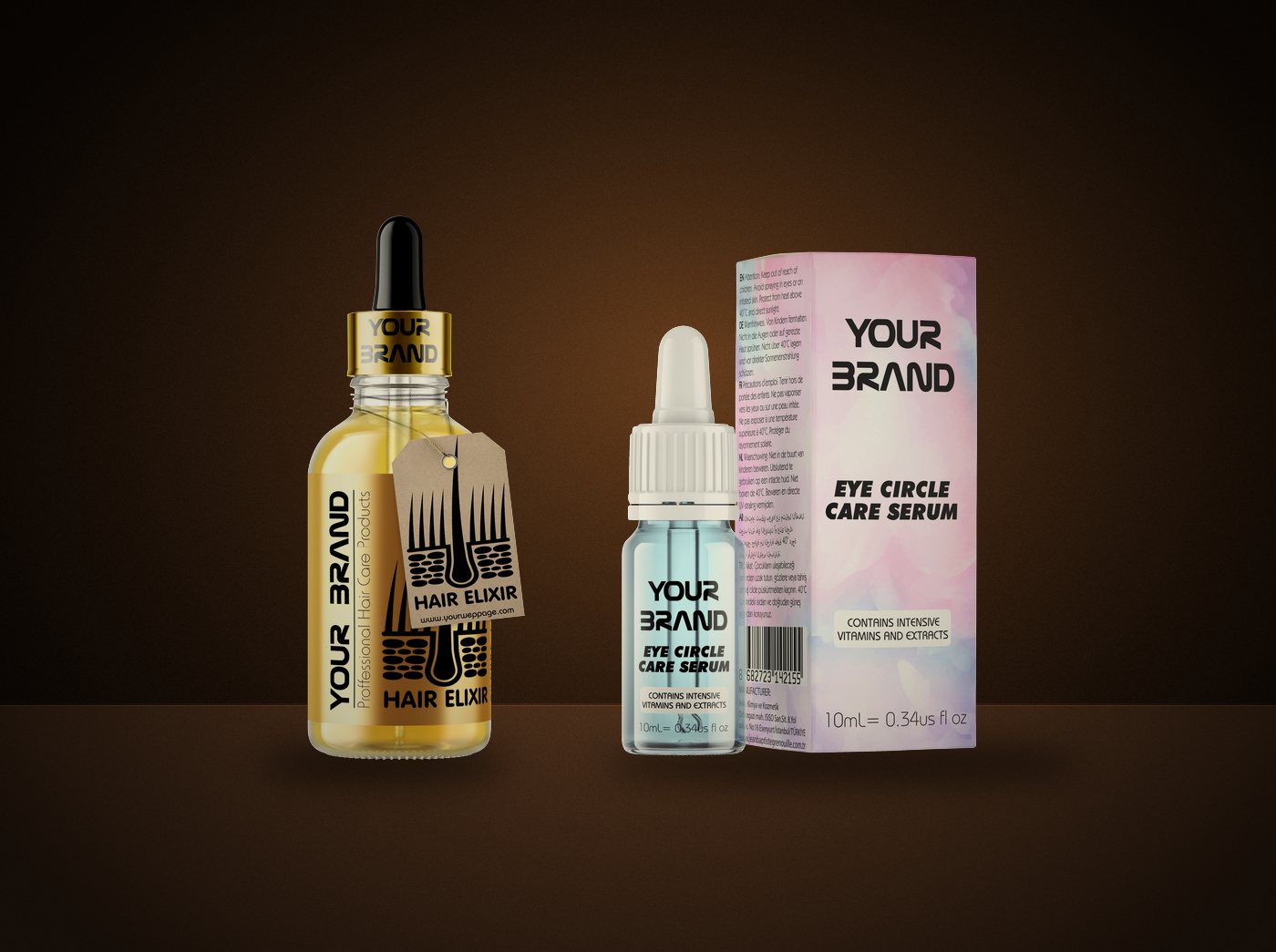
Natural oils in skin care, hair care and soap
Jojoba, argan, almond, avocado, shea, olive and coconut oil, plus vitamins and extracts: what they do in natural care products.
 VIII
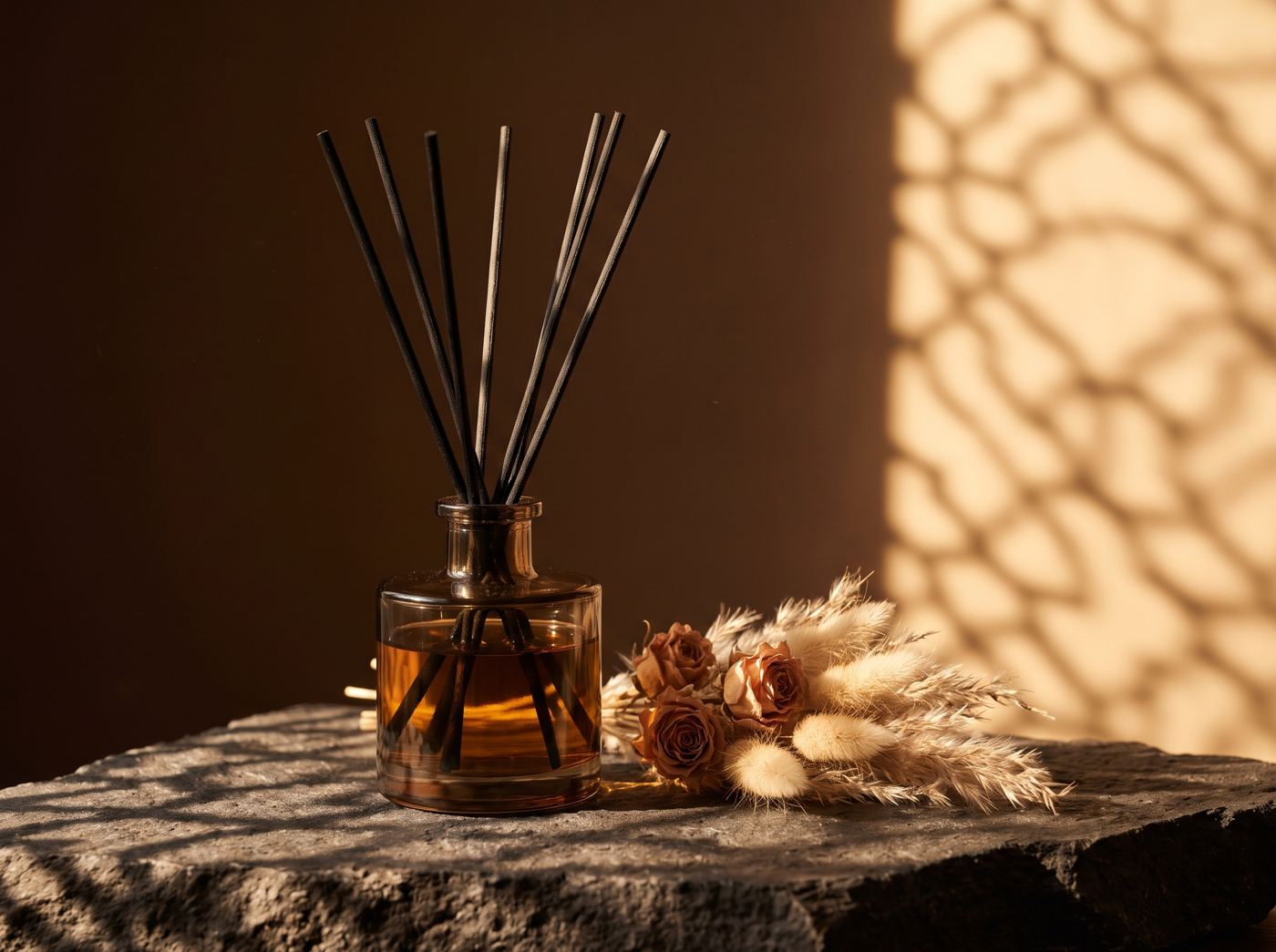
Diffusers, candles and cologne: home and personal fragrance
How reed diffusers work, beeswax and transparent candles, and the history and purpose of cologne.
Let's talk about your product.
Tell us the product type, quantity and target country, and we will get back to you as soon as possible.